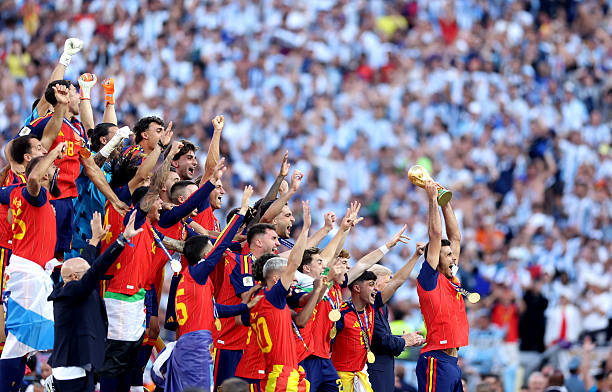
Sixteen years after conquering the world in South Africa, Spain are world champions once again. But this wasn't a copy of 2010; it was the birth of a new footballing identity.
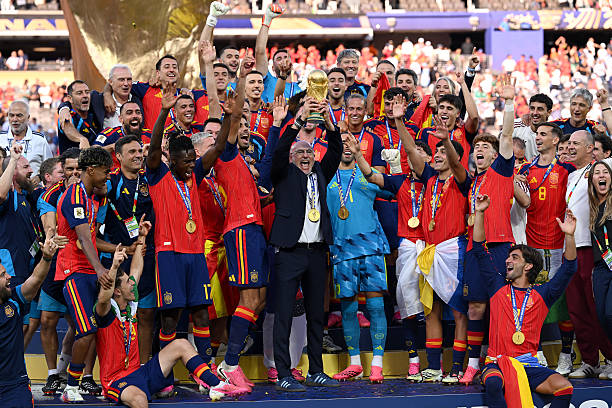
On a cold July evening at MetLife Stadium in New Jersey, Ferran Torres etched his name into Spanish football history. His extra-time winner against defending champions Argentina ended sixteen years of waiting and delivered Spain's second FIFA World Cup title with a hard-fought 1-0 victory.
The celebrations that followed were about far more than a single trophy. They marked the completion of one of football's most remarkable rebuilds- a journey that transformed Spain from a fading giant into the best team in the world once again.
A Long Road Back
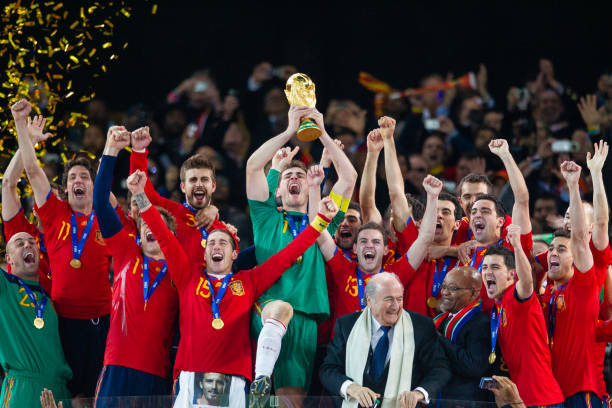
Spain's first World Cup triumph in 2010 changed football forever.
Under Vicente del Bosque, the likes of Iker Casillas, Xavi Hernández, Andrés Iniesta, Sergio Busquets, Gerard Piqué and David Villa perfected tiki-taka, a style built on relentless possession, short passing and patience.
That generation won:
UEFA Euro 2008
FIFA World Cup 2010
UEFA Euro 2012
It was one of international football's greatest dynasties.
Then came the decline.
Spain exited the 2014 World Cup in the group stage, suffered heartbreak at the 2018 World Cup, and were eliminated by Morocco on penalties in the Round of 16 at Qatar 2022. The aura had disappeared, and many questioned whether Spanish football had become too predictable.
Instead of abandoning their philosophy, Spain chose evolution.
The Rise of a New Generation
Luis de la Fuente inherited a talented but inexperienced squad and trusted youth over reputation.
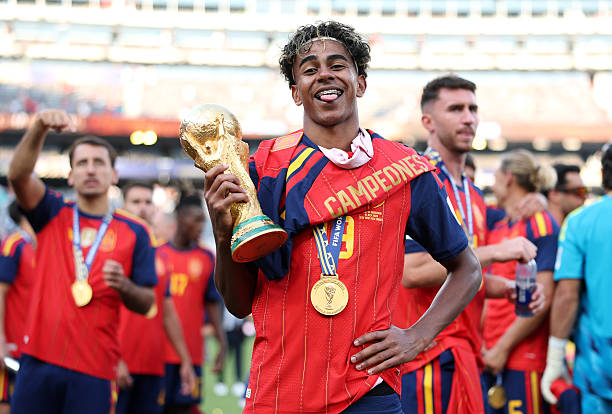
At the heart of this revolution stood Lamine Yamal.
Still only a teenager, Yamal entered the tournament as one of football's brightest stars and left it as one of its biggest icons. His creativity, fearlessness and ability to decide matches made him the face of Spain's new era. Off the pitch, his personal story-from a difficult childhood to lifting the World Cup-added even greater emotional weight to his rise.
Alongside him stood a midfield that represented the perfect blend of intelligence and technical excellence.
Pedri controlled matches with remarkable composure, while Rodri became the team's heartbeat. The Manchester City midfielder dictated the tempo, shielded the defence and once again demonstrated why many consider him the world's finest holding midfielder. His performances throughout the tournament earned widespread recognition, including Player of the Tournament honours.
Nico Williams continued his rise as one of Europe's most dangerous wingers, stretching defences with explosive pace, while goalkeeper Unai Simón produced one of the finest tournaments of his career.
Perhaps most importantly, Spain no longer relied on one superstar.
Every player understood their role.
A Different Kind of Spain
Many expected Spain to return to endless possession football.
Instead, they became something even more dangerous.
They still valued the ball, but they attacked vertically, pressed aggressively and defended with incredible discipline.
This wasn't tiki-taka.
It was controlled, modern football.
Spain finished the tournament having conceded just one goal in eight matches, setting a new defensive benchmark for a World Cup-winning side.
They combined technical brilliance with physical intensity-something earlier Spanish teams were often criticised for lacking.
The Journey Through the Tournament
Ironically, Spain's campaign began quietly.
A frustrating goalless draw against World Cup debutants Cape Verde raised questions about whether the favourites had peaked too early.
Those doubts disappeared quickly.
As the tournament progressed, Spain became increasingly dominant.
Their knockout run showcased remarkable consistency as they defeated Austria, Portugal, Belgium, and France to reach the final against Argentina.
Unlike many champions, Spain rarely looked vulnerable.
They controlled matches, dictated possession and limited opponents to very few clear opportunities. By the time they reached the final, they had not trailed at any stage of the tournament.
One Last Dance for Messi
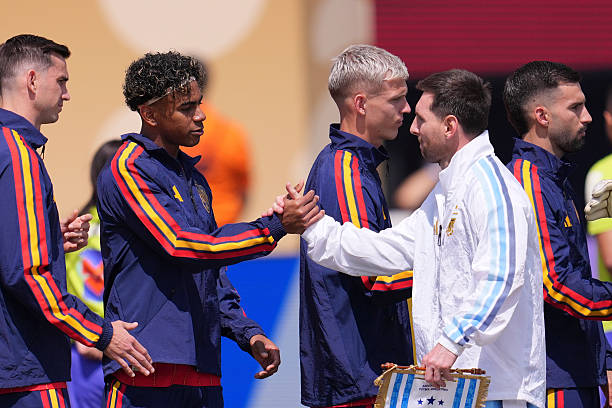
The final carried a story larger than football itself.
On one side stood Spain's fearless new generation.
On the other stood Lionel Messi, chasing one final World Cup before saying goodbye to the biggest stage.
For over 100 minutes, Spain patiently searched for the breakthrough.
Then, in the 106th minute, Ferran Torres reacted quickest inside the penalty area to score the goal that secured football immortality.
Messi's dream ended in heartbreak.
Spain's new dynasty had officially begun.
More Than a Trophy
This triumph wasn't built on one magical month.
It was the result of years of investment in youth development, trust in academy graduates and patience with a long-term vision.
La Masia continued to produce world-class talent.
Athletic Club developed stars like Nico Williams.
Spanish football once again became a model for sustainable success rather than short-term fixes.
The World Cup confirmed what many had already suspected:
Spain's future had arrived.
A New Identity, A Familiar Ending
The Spain of 2010 conquered football by keeping the ball longer than anyone else.
The Spain of 2026 conquered football by controlling every phase of the game.
The philosophy evolved.
The players changed.
The tactics modernised.
But one thing remained constant-the belief that football should be played with intelligence, courage and composure.
Sixteen years after Andrés Iniesta's unforgettable strike in Johannesburg, another generation wrote its own chapter in Spanish football history.
The faces were different.
The style had changed.
But as confetti fell over MetLife Stadium and Spain lifted the World Cup for only the second time, the feeling was exactly the same.
La Roja were champions of the world once again.