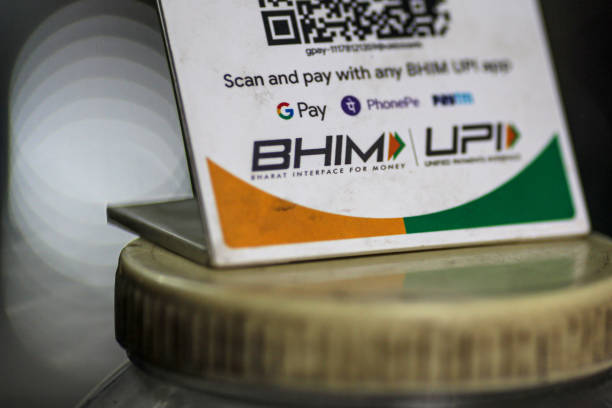
India's latest tax amendment bill hasn't made UPI chargeable—but it has started a conversation that could shape the future of digital payments.
Think about the last time you paid for something.
Maybe it was a cup of chai, groceries, or your cab ride home. Chances are, you didn't reach for your wallet. You simply scanned a QR code, heard the familiar payment sound, and moved on.
That's how deeply UPI has become a part of everyday life in India.
So, when news broke that the latest Taxation and Other Laws (Amendment) Bill, 2026 could allow charges on UPI transactions, it naturally grabbed everyone's attention. Social media was flooded with claims that digital payments would no longer be free.
But that's not what the bill does.
At present, UPI remains completely free for users. The amendment simply gives the government the legal power to introduce a Merchant Discount Rate (MDR) on merchant transactions in the future if it decides it's necessary.
Why Is This Even Being Considered?
UPI may feel effortless, but running it isn't.
Behind every successful payment is a network of banks, payment providers, servers, cybersecurity systems, and technology that operates around the clock.
Maintaining that infrastructure costs money.
Until now, much of those costs have been absorbed by banks, fintech companies, and government support. But as UPI continues to process billions of transactions every month, the question is becoming harder to ignore:
Can the system remain free forever?
What Does This Mean for Businesses?
For millions of shopkeepers, street vendors, and small businesses, UPI has changed everything.
A simple QR code replaced the need for cash, change, and expensive card machines.
If merchant charges are ever introduced, larger businesses may absorb the cost without much difficulty. Smaller businesses, however, could feel the pressure more, and some might eventually pass those costs on through slightly higher prices.
For now, though, nothing has changed.
More Than Just a Payment App
The debate isn't really about paying a few extra rupees.
It's about protecting one of India's biggest digital success stories while making sure it's financially sustainable in the long run.
UPI has become more than just a payment platform. It's a habit. It's convenience. It's the reason millions of Indians no longer think twice before making even the smallest purchase digitally.
Finding the balance between keeping it affordable and keeping it sustainable won't be easy.
The Bottom Line
For now, you can continue paying exactly the way you always have.
No new charges have been introduced, and your everyday UPI transactions remain free.
What the amendment has done is start a conversation about the future. As India's digital economy continues to grow, the challenge won't just be keeping UPI convenient—it will be ensuring that one of the country's greatest technological achievements remains strong, sustainable, and trusted for years to come.